Introduction
In the vibrant as well as hectic world of contract food manufacturing, guaranteeing secure and also reputable production is of utmost importance. With the enhancing demand for premium food, it is crucial for agreement manufacturers to adhere to rigid regulations and standards. One such criterion that plays a vital role in assuring the safety as well as reliability of contract food manufacturing in Australia is Good Manufacturing Practices (GMP). In this article, we will check out the importance of GMP in the context of contract food manufacturing in Australia.
Contract Food Production: An Overview
Before diving right into the role of GMP, allowed's very first comprehend what contract food manufacturing entails. Contract food manufacturing refers to the process where a firm outsources the manufacturing of its food to a specialized producer. This permits companies to concentrate on other aspects of their business, such as advertising and circulation, while leaving the manufacturing process to experts.
In Australia, contract food manufacturing has actually acquired substantial traction as a result of its countless advantages. It enables firms to tap into the know-how as well as resources of skilled manufacturers, lowers operational prices, and also provides accessibility to state-of-the-art centers. Nonetheless, with these advantages come numerous challenges, including maintaining item high quality, sticking to safety policies, as well as making certain uniformity throughout the production process.
The Importance of GMP in Contract Food Manufacturing
Good Manufacturing Practices (GMP) are a collection of guidelines that outline the minimum needs for making certain secure and also reputable manufacturing in different industries, including food manufacturing. These practices encompass all elements of manufacturing, from facility layout to workers training and item testing.
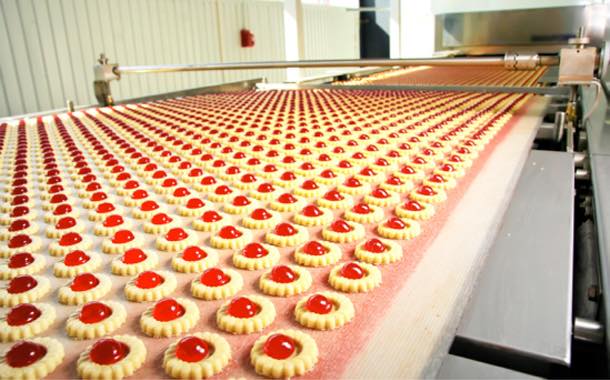
GMP plays a critical role in contract food manufacturing by developing quality assurance procedures that secure customers from potential carcinogen. By adhering to GMP criteria, agreement suppliers can make sure that their procedures are effective, consistent, as well as compliant with regulatory requirements. This not only safeguards public health and wellness however also enhances the online reputation and trustworthiness of both the producer and the brand they are generating for.
The Key Elements of GMP in Agreement Food Manufacturing
To understand how GMP makes certain risk-free as well as reputable contract food manufacturing in Australia, let's discover several of its key elements:
1. Center Style and also Maintenance
Proper center layout is necessary to minimize the threats of contamination and guarantee a hygienic manufacturing atmosphere. GMP guidelines specify requirements for layout, construction materials, air flow, lighting, and also waste administration systems. Regular upkeep and cleansing are also vital to stop the accumulation of pathogens or contaminants.
2. Personnel Training
Well-trained workers are the foundation of any effective contract food manufacturing operation. GMP emphasizes the value of training staff members on hygiene techniques, proper handling of tools and active ingredients, irritant control, as well as individual protective procedures. Recurring training programs make certain that staff members remain upgraded with market best practices.
3. Basic Material Control
GMP mandates rigorous control over basic materials used in the manufacturing procedure. This includes confirming provider certifications, carrying out incoming examinations for quality assurance, carrying out appropriate storage procedures, and keeping traceability throughout the supply chain. Sticking to these controls assists stop contamination as well as guarantees that only risk-free and top notch components are used.

4. Product Evaluating and also Quality Assurance
Regular product screening is an indispensable part of GMP to validate that products meet needed requirements and safety and security criteria. This includes microbiological testing, chemical analysis, sensory evaluation, as well as shelf-life researches. By conducting thorough testing at different stages of production, contract makers can recognize possible issues early on and also take rehabilitative activities promptly.
5. Paperwork and Record-Keeping
Accurate paperwork is vital to demonstrate compliance with GMP guidelines. This includes preserving documents of resources distributors, tools calibration, employees training, cleansing timetables, batch manufacturing records, as well as product release documents. Great paperwork methods make it possible for manufacturers to map any type of problems or discrepancies as well as take suitable rehabilitative actions.
6. Audits and also Inspections
Regular audits as well as inspections are performed by regulatory bodies or third-party companies to make certain conformity with GMP requirements. These analyses evaluate the performance of a contract supplier's top quality administration system, identify areas for improvement, and supply assurance that all necessary controls remain in place.
FAQs concerning GMP in Agreement Food Manufacturing
What is the function of GMP in contract food manufacturing? GMP plays an essential role in making sure risk-free and reputable contract food manufacturing by developing standards for quality control, facility layout, personnel training, product screening, documents, as well as audits.
How does GMP add to customer safety and security? By sticking to GMP requirements, contract manufacturers can minimize the risks of contamination as well as ensure that foodstuff meet needed safety and security criteria. This safeguards customers from possible carcinogen connected with unsafe food.
What are the consequences of non-compliance with GMP standards? Non-compliance with GMP guidelines can have serious effects, including item remembers, lawful fines, damages to brand name reputation, as well as potential harm to customers' health and wellness. It is essential for agreement manufacturers to focus on adherence to these standards.
Is GMP required for contract food manufacturing in Australia? Yes, GMP is obligatory for all contract food makers in Australia. The Australian government has implemented stringent policies to make sure that all foodstuff satisfy the highest safety and security as well as high quality standards.
How can contract producers execute GMP properly? Agreement producers can implement GMP effectively by buying durable quality monitoring systems, carrying out normal training programs for workers, working together with trusted distributors, keeping accurate documentation, and also undertaking normal audits as well as inspections.
Can GMP accreditation boost a contract supplier's reputation? Yes, obtaining GMP accreditation demonstrates an agreement supplier's dedication to generating risk-free and premium food. It improves their online reputation and integrity among customers and customers alike.

Conclusion
In the realm of contract food manufacturing in Australia, sticking to Excellent Manufacturing Practices (GMP) is vital for guaranteeing secure and also contract food production trusted production. GMP standards include various aspects of the production process, including facility layout, workers training, basic material control, item screening, documents, and also audits. By applying and maintaining these techniques, agreement makers can safeguard consumers from possible health hazards, boost their credibility, and also contribute to the total security and also high quality of the food market. As the need for contract food manufacturing continues to grow, it is critical for producers to prioritize GMP conformity to fulfill regulative demands and also exceed customer expectations.